In today’s dynamic and constantly shifting market, accurately estimating the cost of opening a new office is not only an important milestone but also a strategic investment. However, many businesses, especially startups and SMEs, often struggle to estimate these costs accurately, leading to unnecessary unexpected expenses.
Drawing on real-world experience, RSQUARE offers a comprehensive and detailed look at the cost items required when opening an office. We will analyze each item, from leasing space and interior design to initial operating costs, along with ways to optimize the cost of opening an office and suggestions from reputable service providers. The goal is to help your business build a solid financial plan.
Why should you calculate office opening costs from the start?
Opening a new office is not simply a matter of finding a space and moving in. It is a long-term investment that directly affects operational efficiency, corporate culture, and the ability to attract talent. Estimating costs accurately from the outset is essential to:
1. Avoid unexpected expenses:
A clear financial plan helps the business control cash flow, limit risk, and prevent unnecessary spending that could affect the overall budget.
2. Make smart investment decisions:
Understanding the cost items helps you choose the office model, size, and level of investment that best fit your company’s financial situation and growth direction.
3. Clearly distinguish between models
Opening a new office is entirely different from renting a serviced office or a shared space (coworking space). Each model has its own cost structure and benefits, which require careful evaluation to choose the right one.
Main cost groups when opening a new office
When deciding to open a new office, a business needs to carefully calculate the following 5 main cost groups:
1. Space rental costs
This is usually the largest and most recurring expense. It includes not only the base rent but also many other associated fees:
1.1 Rental rates by district and location:
Office rental rates vary considerably depending on geographic location. For example, central areas such as District 1 (Ho Chi Minh City) or Hoan Kiem (Hanoi) are much more expensive than outlying districts such as Tan Binh and District 7 (Ho Chi Minh City) or Cau Giay and Thanh Xuan (Hanoi). Prices also depend on the office grade (A, B, C) and the building’s amenities.
1.2 Associated fees:
- Management fee: Covers building maintenance, security, cleaning of common areas, elevator operation, and central air conditioning. This is usually charged per m² and added to the rent.
- Value-added tax (VAT): 10% on the total rent and management fee.
- Security deposit: Usually 3 – 6 months’ rent, refunded at the end of the contract if there are no violations. This is a substantial sum that must be prepared from the start.
2. Interior design & construction costs
Once you have the space, turning a raw space into a functional office requires costs for interior design and construction. This can vary widely depending on style, materials, and level of finish.
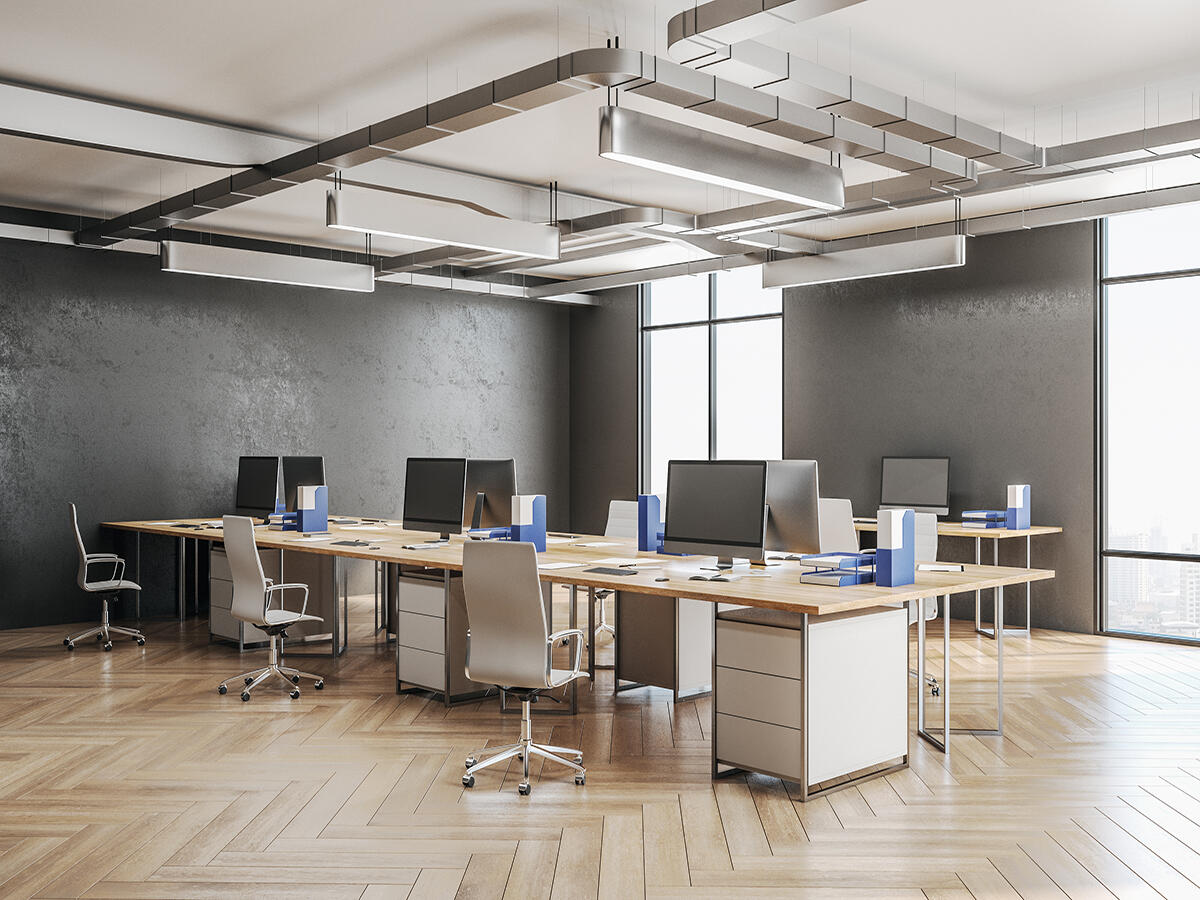
2.1 Partitions, furniture, flooring, lighting:
- Partitions: These may be gypsum board, tempered glass, or wood. Glass partitions are modern and airy but cost more.
- Desks and chairs: The number of staff and the type of work will determine the quantity and quality of furniture. Good ergonomic chairs are a worthwhile investment in employee health.
- Flooring: Wood flooring, wood-look vinyl, ceramic tiles, or carpet each have their own advantages and disadvantages in terms of cost and aesthetics.
- Lighting system: It is necessary to ensure enough natural light and suitable electric lighting for each work area. LED lighting is the best choice for efficiency and energy savings.
Suggested reputable interior contractors: To ensure quality and optimize costs, it is advisable to work with contractors experienced in office design, such as RSQUARE, or reputable companies specializing in office interiors.
3. Office equipment costs
Equipment is indispensable for running a modern office.
3.1 Basic equipment:
- Computers/laptops: Needed for every employee.
- Printers, photocopiers, scanners: Multifunction devices save space and cost.
- Network system (Wi-Fi, LAN): Ensures a stable, high-speed internet connection.
- Air conditioning system: Very important, especially in Vietnam.
3.2 Auxiliary equipment:
- Surveillance camera system: Ensures office security.
- Filing cabinets and document shelves: For storing and organizing documents neatly.
- Desk phones and a phone switchboard: If the business needs frequent internal communication and contact with customers.
- Projectors and meeting-room screens: For meeting rooms and presentations.
- Kitchen appliances (refrigerator, microwave): For the pantry area.
4. Initial operating costs
In addition to fixed costs, there are operating costs required for the office to run smoothly from the very first days.
4.1 Support staff:
- Receptionist: If the company is large and needs a professional image.
- Security guard: Provides dedicated security for the office if needed.
- Cleaning staff: Or the cost of hiring a periodic cleaning service.
4.2 Utility costs:
- Drinking water and sanitary supplies: Provided for employees and common areas.
- Electricity and water: Monthly bills.
- Internet and telephone service fees: Recurring costs.
5. Legal & procedural costs
For the office to operate legally, the business needs to complete the legal procedures.
- Business registration: Includes fees and service costs if outsourced.
- Company signage: The cost of designing and installing signage in compliance with regulations.
- Fire prevention and fighting (PCCC) inspection: Ensures safety and legal compliance, and is usually a mandatory requirement when leasing an office.
- Other permits: Depending on the line of business and local requirements.
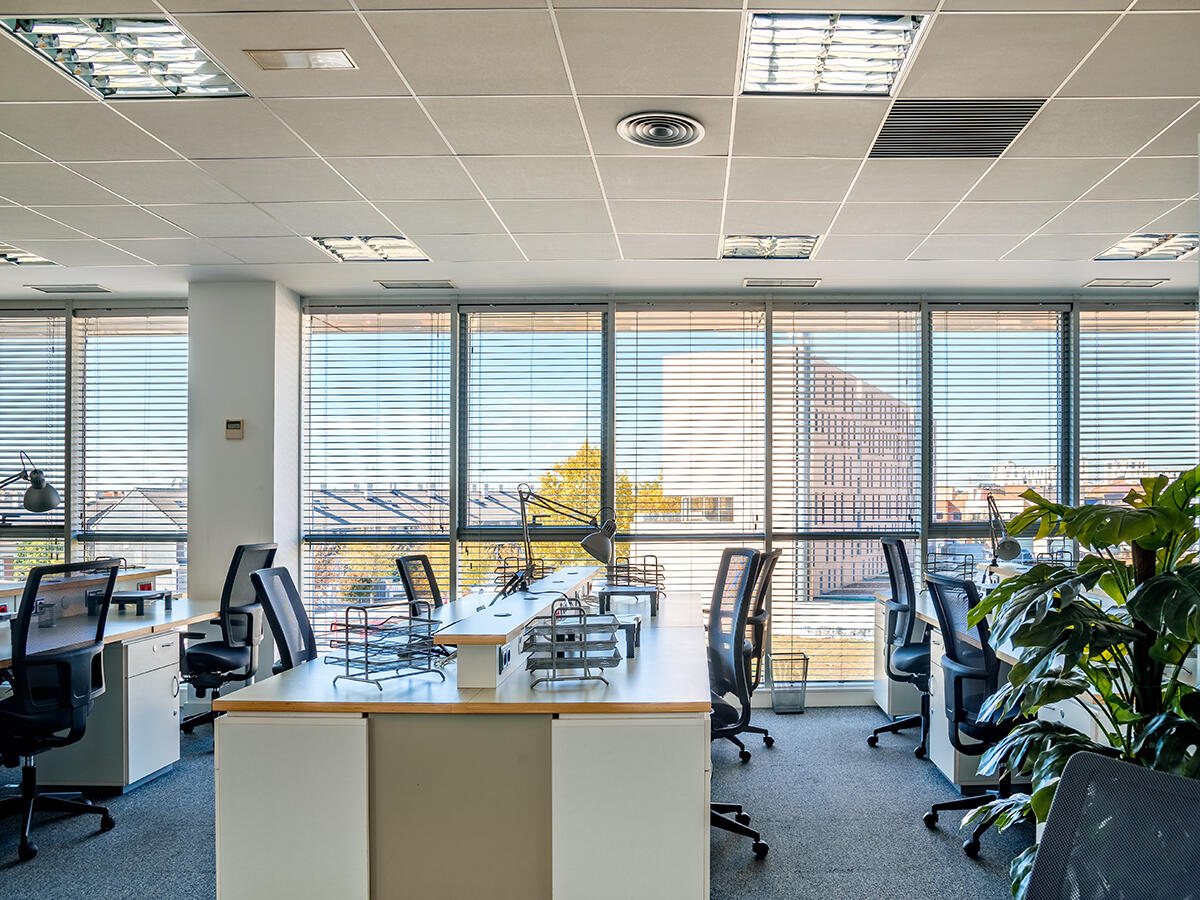
Sample cost estimate by office size
To provide a more intuitive view, RSQUARE has compiled a cost estimate table for opening a new office (excluding VAT and the security deposit) based on common sizes:
| Office size | Estimated cost details |
| 30m² office
(5 – 10 staff) |
• Space rental (per month): 12 – 15 million VND
• Furniture & equipment: 60 – 100 million VND • Legal costs: ~ 5 – 10 million VND • Other contingency: 5 – 10% of total spending |
| 50m² office
(10 – 20 staff) |
• Space rental (per month): 20 – 25 million VND
• Furniture & equipment: 120 – 180 million VND • Legal costs: ~ 5 – 10 million VND • Other contingency: 5 – 10% of total spending |
| 100m² office
(20 – 40 staff) |
• Space rental (per month): 40 – 50 million VND
• Furniture & equipment: 250 – 350 million VND • Legal costs: ~ 10 – 15 million VND • Other contingency: 5 – 10% of total spending |
Note: This is a reference estimate table. Actual costs may vary depending on location, material quality, suppliers, and the specific needs of each business.
Solutions to optimize office opening costs
To reduce the initial financial burden and optimize operating costs, businesses can consider the following solutions:
1. Rent a serviced office:
Instead of investing heavily in furniture and equipment, the serviced office model provides a fully equipped workspace, including amenities such as reception, internet, and utilities. Reputable providers such as RSQUARE, Regus, and Toong offer a range of flexible packages.
2. Take over a ready-fitted space:
Some businesses can look for offices already furnished by the previous tenant or landlord, which significantly reduces initial costs.
3. Adopt a hybrid working model:
Combine working at the office (part-time onsite) with remote work (part-time remote). This model reduces the number of seats needed at the office, thereby reducing the leased area and related costs.
Conclusion & suggested actions
Opening a new office is an important decision that requires careful financial preparation. Rather than taking it lightly, treat it as a strategic investment that needs detailed planning.
1. Prepare a financial plan:
Before signing any contract, prepare a detailed financial plan that includes all the cost items mentioned above and a substantial contingency.
2. Choose the right model:
Carefully evaluate your business’s actual needs, work culture, and budget to choose between a traditional office, a serviced office, or a hybrid model, and avoid waste.
3. Free consultation and survey:
Do not hesitate to contact professional providers such as RSQUARE for a free consultation and survey, and to receive the most optimal office solutions for your business.
Investing in a suitable workspace is not just a cost; it is an investment in productivity, employee satisfaction, and your company’s brand image.
FAQs (Frequently Asked Questions)
1. How much money is needed at a minimum to open a small office (~30m²)?
You should prepare initial costs of around 100-200 million VND. This amount includes the security deposit for the space and the cost of buying basic furniture and equipment.
2. How many months’ deposit is required to open an office?
You will usually need to pay a deposit of 3 months’ rent. Depending on the building and the agreement, this figure can range from 2 to 6 months, and it will be refunded at the end of the contract.
3. How can I reduce the cost of opening an office?
To save money, you can consider renting a serviced office, buying used furniture, or adopting a hybrid working model to reduce the area you need to lease.
4. Should I rent a shared office (coworking)?
Yes, it is a very effective way for startups and small businesses to save on initial investment costs. However, you need to consider privacy and security.