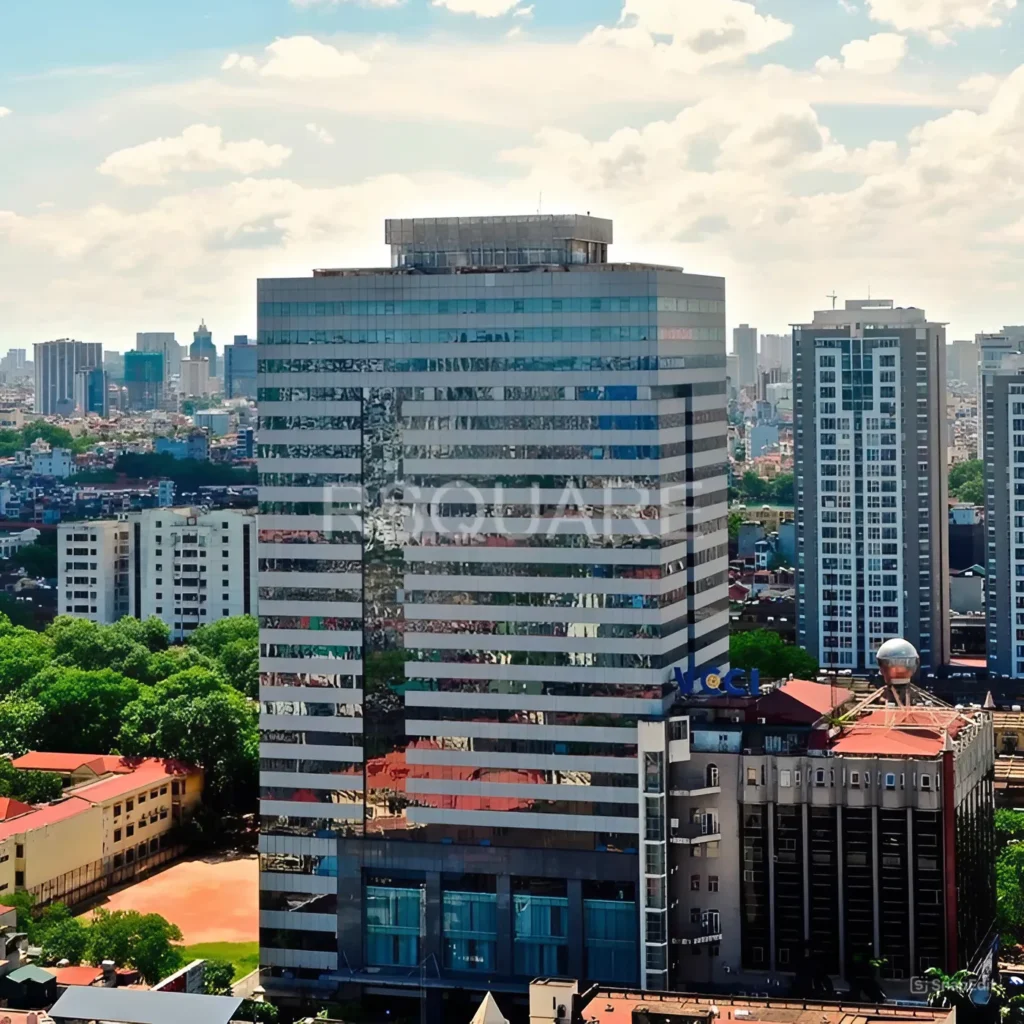
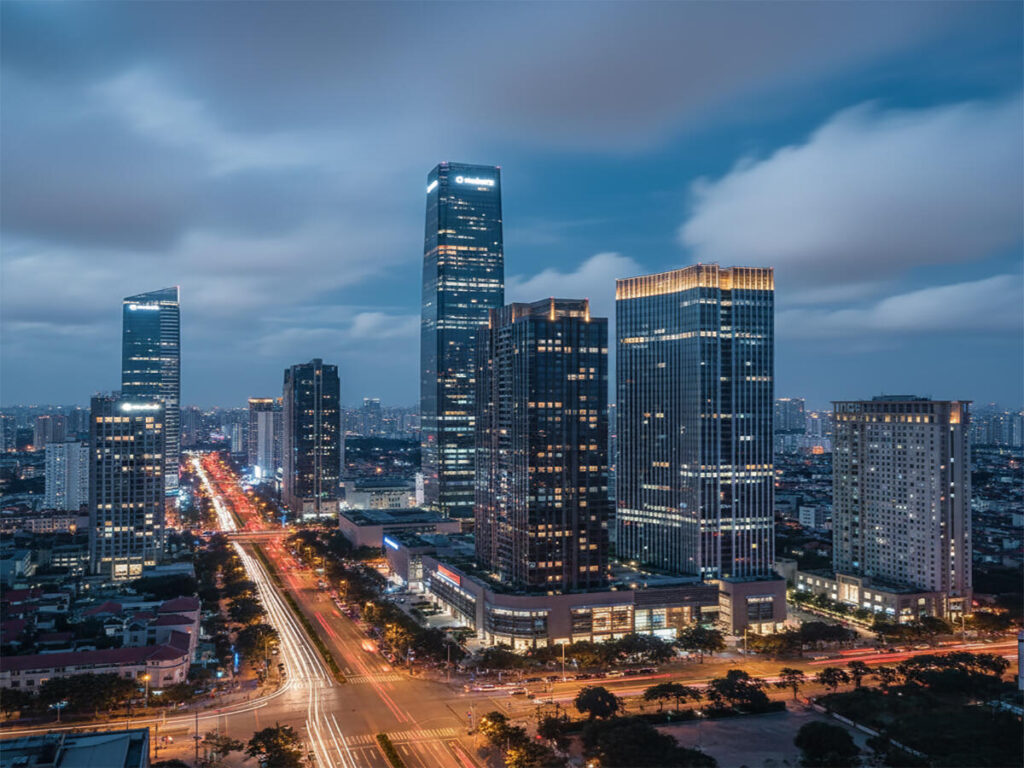
Have you noticed that major corporations are quietly abandoning the historic core of Hoan Kiem?
The year 2026 officially marks a historic turning point for the Hanoi office market: an unprecedented shift in power, where the bargaining chip now tilts entirely toward tenants. Driven by the wave of urban decentralization, stringent ESG “greening” pressures, and a massive surge in new supply, businesses now hold a “golden opportunity” to upgrade their workspaces to global sustainability standards, while restructuring their total occupancy costs at the most optimized budget.
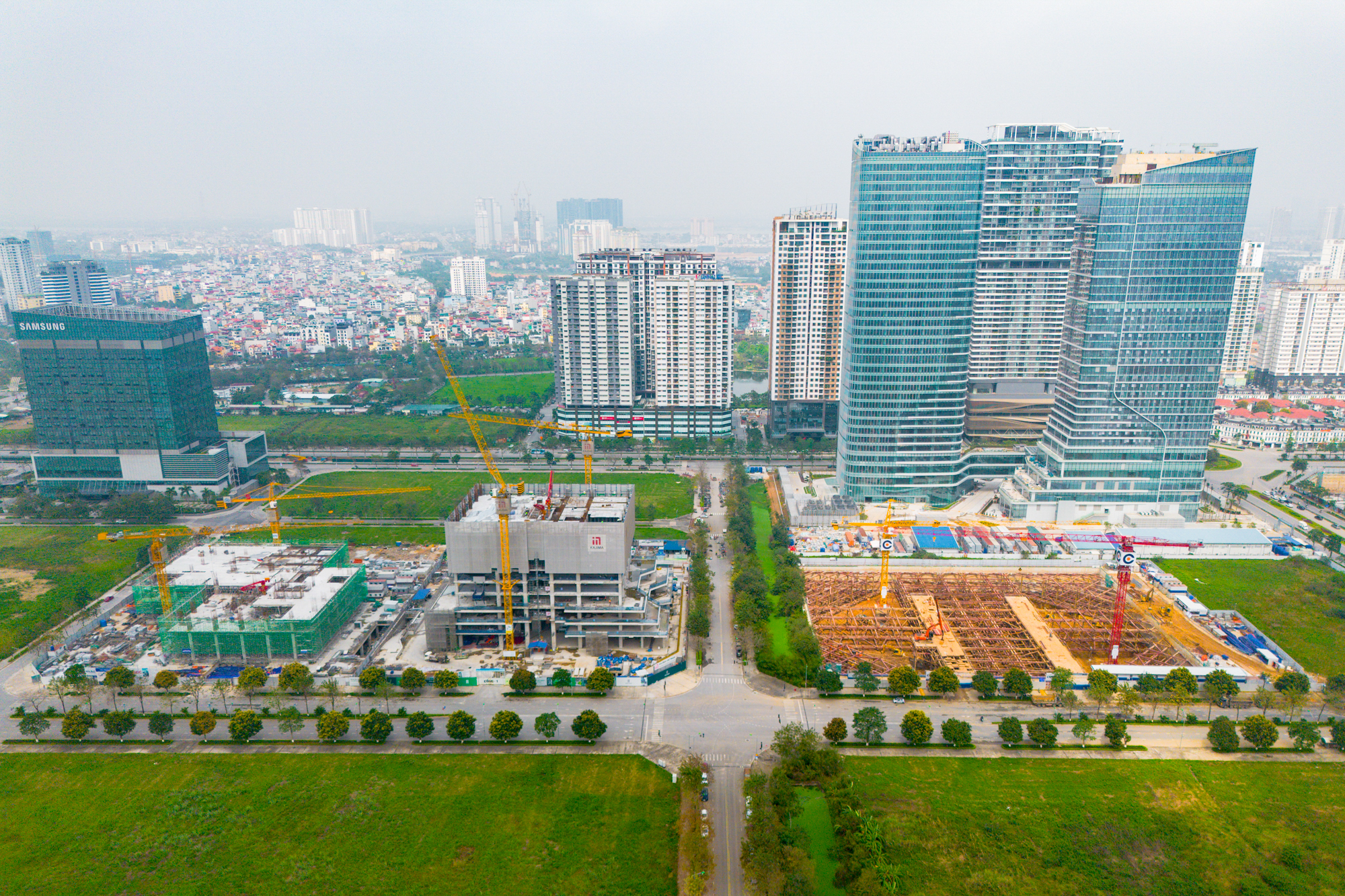
The Rise of the “New Administrative Hub” and the Urban Decentralization Scenario
The market is witnessing a decisive migration from the Hoan Kiem core to the Tay Ho Tay (West Lake New Urban Area) and the Western axis. With over 60% of the new Grade A supply concentrated here, this region has firmly established itself as the new “golden coordinate.”
Why are major corporations leaving the old central business district (CBD)?
-
Superior Infrastructure: Direct connectivity to urban metro lines.
-
Massive Floor Plates: Offering column-free floor plates exceeding 2,000 sqm—a requirement that aging buildings in the traditional core can almost never fulfill.
-
Competitive Rental Rates: Accessing Grade A+ spaces at rates 10–15% lower than those in the historic core.
Sustainability Standards and the Risks of Outdated Buildings
By 2026, Environmental, Social, and Governance (ESG) standards have officially become a mandatory “passport” for corporate real estate.
-
The Risk: Outdated buildings that fail to meet these compliance criteria will face severe rental discounting or complete vacancy.
-
The Benefit: A net-zero-ready building can help enterprises shave 15–25% off their monthly operational energy costs.
Beware of “Greenwashing”: Many older buildings merely replace their exterior glass to claim a green certification, while their core technical systems (HVAC, elevators) remain obsolete. This creates a high risk of skyrocketing maintenance costs for tenants in the long run.
Total Occupancy Cost Optimization in a “Tenant’s Market”
Do not just look at the headline asking rent. In the 2026 cycle, enterprises must focus on the Total Occupancy Cost.
Abundant supply grants you the upper hand to negotiate unprecedented incentive packages:
-
Rent-free periods spanning 3 to 6 months.
-
Direct fit-out subsidies funded by landlords.
-
Upgrading to a premium Grade A office without causing major disruptions to your cash flow budget.
Human-Centric Workspaces
The office in 2026 is no longer just a place to clock in; it has transformed into an “Interaction Hub.” Market-leading enterprises are restructuring their footprints: cutting dedicated desks by 20% to expand amenity zones (wellness rooms, café corners, collaborative spaces) to 30–40% of the total area, perfectly adapting to hybrid work models.
Furthermore, the evolution of PropTech and smart buildings allows employees to personalize their workspace experience right at their desks. In Hanoi, premium serviced office models are helping CFOs convert heavy upfront capital expenditure (CapEx) into flexible operational expenditure (OpEx), shortening office setup timelines from 6 months down to just about 4 weeks.
The year 2026 is precisely the “golden window” for well-prepared tenants. The boom of new growth poles in the West and rigid sustainability mandates will filter out landlords with legacy mindsets, while opening doors for enterprises looking to assert their position through world-class workspaces at the most optimized cost.
If you are considering a headquarters relocation or expanding your footprint in Hanoi, contact RSQUARE today for dedicated support and strategic consultancy.
RSQUARE commits to accompanying businesses with a $0 service fee for tenants.