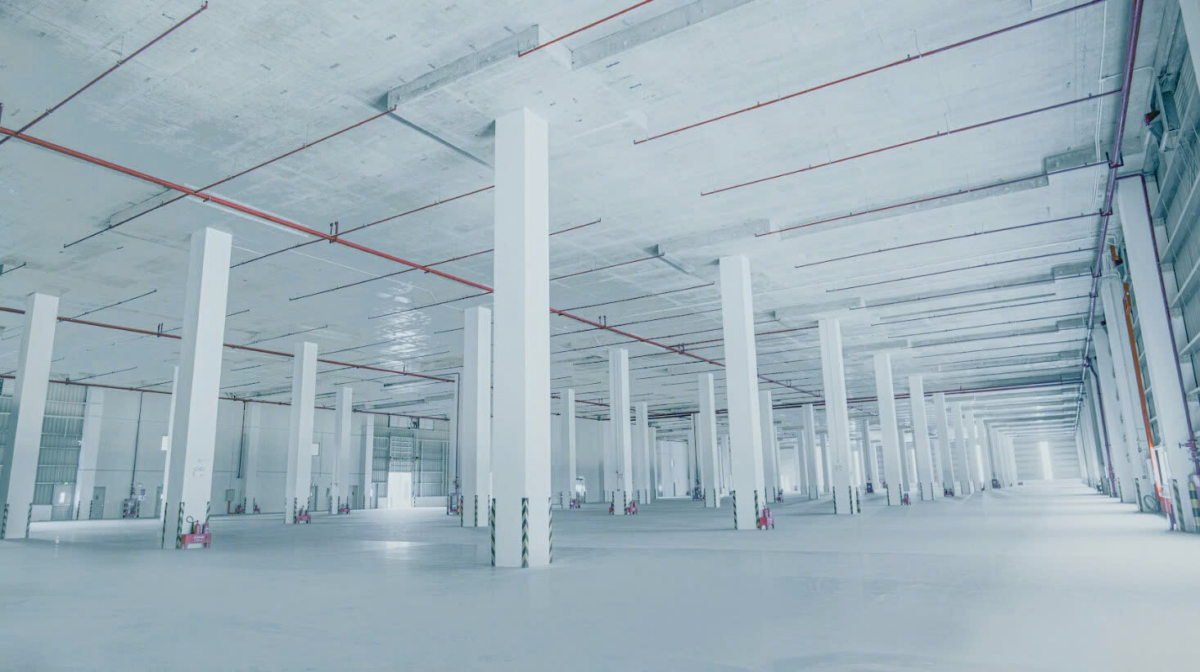
Choosing the right factory is a crucial factor for businesses to ensure efficient production and operation, reduce operating costs, comply with legal requirements, and support long-term development. However, since each industry and production model has specific characteristics, the selection criteria can vary significantly.
Below are the main key to help businesses evaluate and select a factory that suits their operational needs.
NEWS
Criteria for Evaluating a Suitable Factory
2025.06.11
Choosing the right factory is a crucial factor for businesses to ensure efficient production and operation, reduce operating costs, comply with legal requirements, and support long-term development. However, since each industry and production model has specific characteristics, the selection criteria can vary significantly.
Below are the main key to help businesses evaluate and select a factory that suits their operational needs.
1. Location directly influences:
- Transportation costs for raw materials and goods
- Accessibility to markets, customers, and labor sources
- The ability to promptly respond to market demands
Evaluation Criteria:
- Proximity to main transportation routes (highways, ports, railways, airports)
- Easy connectivity with suppliers and customers in the supply chain
- Located in a well-planned industrial zone with synchronized infrastructure
- Safe distance from residential areas (especially for industries with emissions/noise)
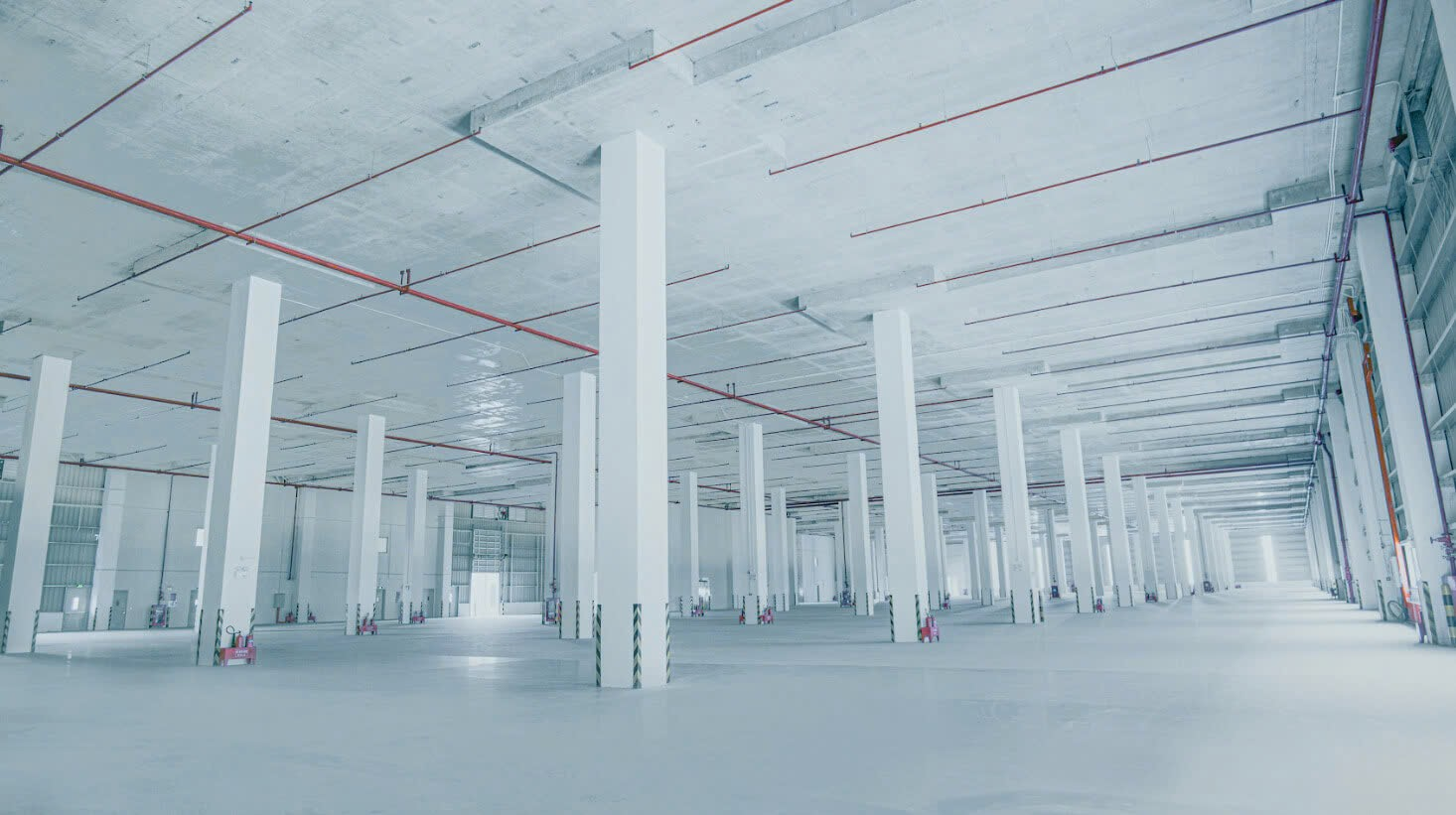
2. A suitable factory must have adequate space for:
- Main production area
- Warehousing, office space, technical rooms, parking lots, …
Evaluation Criteria:
- Floor space (m²) suitable for machine layout and internal movement
- Ceiling height (typically ≥ 6m, especially for logistics or large machinery industries)
- Floor load capacity
- Accessibility for trucks and containers
3. Check the following:
A reliable technical system ensures uninterrupted and safe operations.
- Electricity: appropriate capacity, presence of a dedicated transformer is a plus
- Water supply: clean, stable, and with sufficient pressure
- Drainage and wastewater systems: meet regulatory standards
- Ventilation, lighting, and fire safety systems comply with standards
- Fire prevention: smoke detectors, sprinklers, fire protection certificates
4. Businesses must ensure that the factory meets all legal and operational requirements:
- Valid construction permits, land use rights, or land allocation documents
- Ownership rights of the lessor are clear and legal
- Factory must be planned and allowed for industrial/production use
- Conditions to obtain necessary licenses (environmental, fire safety, labor safety, etc.)
5. Evaluating total cost is essential for selecting an optimal solution:
- Rental rate per m²/month
- Management fees, utility bills, infrastructure maintenance
- Lease duration (should ideally be ≥ 3–5 years)
- Support policies from landlords or industrial zones (e.g., free setup period, tax incentives)
6. A suitable factory should offer the potential to scale:
- Possibility of expansion (within or near the current site)
- Flexibility in modifying layouts or repurposing space over time
7. Labor Factors:
- Availability of local workforce (both general and skilled labor)
- Proximity to worker housing and convenience services (canteens, healthcare, banking)
These elements significantly affect recruitment, retention, and operational efficiency.
8. Important considerations:
- 24/7 security system, surveillance cameras, controlled access
- Is the area prone to natural disasters (flooding, storms)?
- Insurance for fire, explosions, labor accidents in place.
Conclusion: A suitable factory is more than just a building—it is a strategic foundation for sustainable and effective production. To make the best decision, businesses should prepare a checklist, compare multiple options, and conduct on-site surveys to ensure long-term success.