NEWS/EVENT
The Difference Between Traditional Office & Serviced Office
2023.12.21
Whether your business is just starting out or has been operating for many years in the market, choosing a suitable office environment is extremely important.
There are countless different types of offices on the market, but we can mention two main types: traditional offices and serviced offices – at the top of the options that businesses consider when need to find an office to rent.
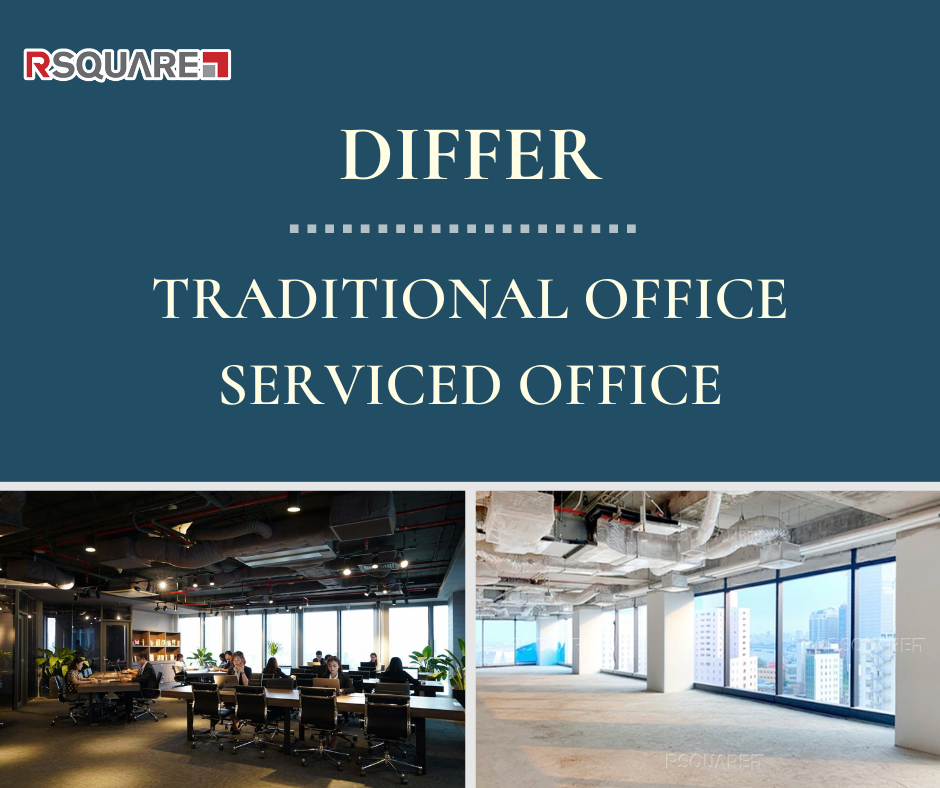
What is a traditional office rental?
A space that you rent solely for your company’s own use. You can design, arrange and furnish the interior as you like.
In a traditional office lease, you choose service providers such as internet, cleaning or catering and you are paid directly by them.
Traditional office leasing means your own employees manage the office – you are the one hiring the receptionist or office manager.
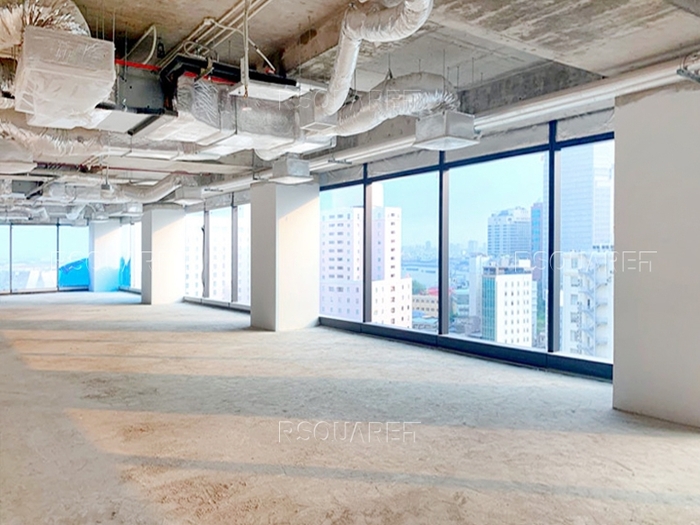
Who is the traditional office model for?
Traditional office leasing is a good choice for you if:
- You want to sign a long-term lease – this usually involves a minimum 12-month lease. In some cases, the minimum lease term is 2 or 3 years.
- You care about the prestige and representativeness of your office and a unique design.
- You value your privacy and don’t want to share common spaces, such as pantry rooms or conference rooms, with other companies.
- You need your own telecommunications infrastructure or you need to comply with strict customer data protection rules due to the nature of your business.
- You foresee a stable situation for your company and consider expenses like furniture or IT equipment as long-term investments.
Advantage
- You can freely arrange and decorate the office to suit the corporate culture.
- Because this office belongs to you, you are free to use the space as you wish.
- Depending on the situation, this office model can be more cost-effective.
Disadvantages of traditional office
- Finding a suitable supplier and premises takes a lot of time and effort.
- The initial opportunity cost is very high.
- The contract renewal period of this office model is from 2-5 years, quite a long time for a business’s plans.
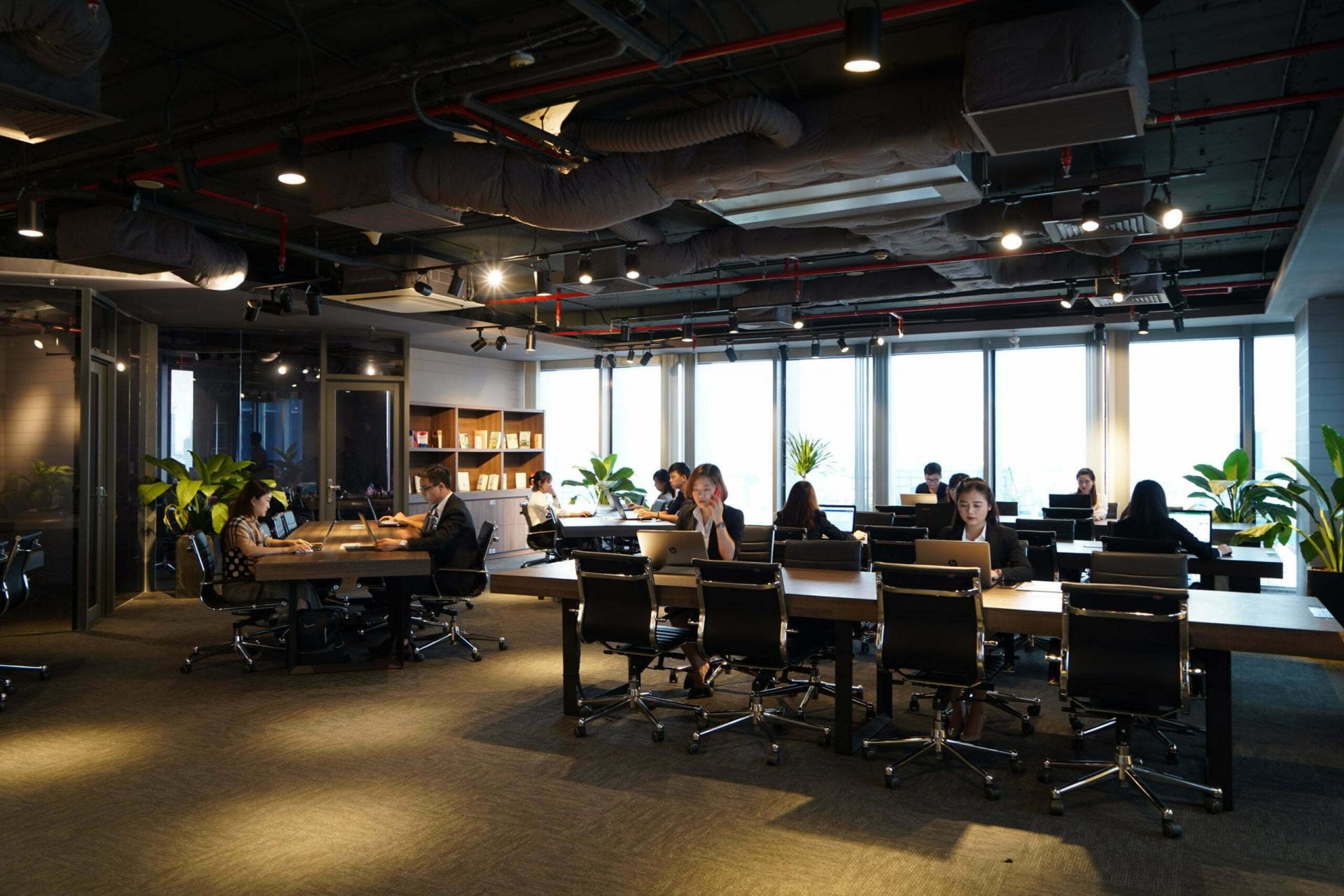
What is a serviced office?
It is a fully equipped rental office and is almost provided “on request”. It offers short-term rentals and fees for utilities and space management are regulated by the operator – you will receive a cumulative monthly rental bill.
Who is the serviced office model for?
- You are a small business or new to the market and have not yet determined your income or return on investment. You want to sign a shorter term contract, renewing monthly if needed.
- You want your office to grow with your business without having to pay for stations. In a flexible lease, you can choose a “pay as you grow” model and expand your space as your workforce grows.
- You want to move into a furnished office, without furniture or equipment.
- You want to pay the rental cost and all additional fees – such as utilities, internet or cleaning in one bill. In a serviced office, all of these elements are usually included in the rent.
- You want various services “in one package”, for example, front desk, pantry, cleaning service, mail service, access to printer, etc.
- You work on projects with other companies and often need flexible space to work together and launch new projects.
Advantage
- Low costs.
- Infrastructure and rooms are available, depending on your needs, you can choose a suitable rental location.
- The rental contract term is flexible, depending on mutual negotiation.
- No small or hidden costs incurred.
- Greater ability to expand relationships and social connections.
Disadvantages of renting a serviced office
- Businesses must share equipment and facilities.
- There are not many opportunities to express your own brand in a common working environment.
Through the above analysis of the advantages/disadvantages as well as the differences between the two office environments, traditional and service.
RSQUARE VIETNAM hopes to give you objective views and a more detailed understanding.
From there, before deciding to choose an office, you can review and evaluate the necessary factors about your desired workplace. From there, find a “true” office model for you and your business.